

Table of contents
Truckers, fleet owners, and dispatchers – listen up: the FMCSA has updated its safety scoring system for 2026, and it’s already reshaping how loads are assigned. If you’re running a truck or a small fleet, you need to know that your safety score now directly affects load access. Brokers, shippers, and even load boards are watching these scores closely. In this article, we break down the FMCSA’s safety score overhaul and explain exactly what it means for you – and how smart dispatcher help and dispatcher customization can keep your wheels turning.
Safety Score Overhaul: The Big Picture
FMCSA’s old CSA (Compliance, Safety, Accountability) scoring had become confusing, so they launched a new Safety Measurement System (SMS) in 2026. This revamp changes how violations and inspections count toward your safety score:
- New Compliance Categories: The familiar BASICs are gone. FMCSA reorganized violations into new compliance categories. For instance, Unsafe Driving now includes drug/alcohol violations and moving violations together. Vehicle Maintenance was split into driver-observed issues (caught on DVIRs) and deeper mechanical issues. Dispatchers need to know: if drivers skip detailed pre-trip inspections, it now hits a dedicated score.
- Fewer, Heavier Violations: Hundreds of specific violations were collapsed into around 116 groups, each weighted 1 or 2. Out-of-Service (OOS) violations get weight 2, everything else is weight 1. The upshot? Any OOS violation (like brake failure or serious driver violation) counts for twice as much as a minor fault. That makes preventing OOS issues even more critical for your dispatcher. If your trucks get cited, that single event can spike your score big time.
- Recent Data Weighted More: Now the last 12 months of history are most important. Older violations gradually lose impact and drop off after 24 months. This can help carriers who fixed past problems – they will see old points fade faster. But it also means if you just had a rough few months, your score jumps quickly. Dispatchers should track these trends so you’re not caught by surprise.
- Stricter Thresholds: The percentiles triggering FMCSA investigation have shifted (for example, a 90th percentile in one category now triggers reviews). This doesn’t directly change load access – but it means FMCSA may intervene sooner on a poor scoring carrier. Since brokers look at similar numbers, expect them to act sooner too.
Bottom line: clean operations matter more than ever. Every dispatcher on your team should focus on preventing even one serious violation, since it now carries double weight. Good news: if you’ve been safe, your old points are losing power, meaning your score can actually improve over time if you keep up best practices.
Load Access: Why Scores Matter
“Load access” means the loads you can book on a load board or through a broker. With the new safety scores in place, load access is directly tied to that compliance rating:
- Brokers Vet Carriers: Many freight brokers and shippers do quick safety checks on carriers. If your safety percentile in any category is above their limit, they’ll often skip over you for a load. That means trucks with cleaner safety scores get first pick on freight, and marginal carriers get bumped to the spot market.
- Load Board Filters: Some load boards may soon filter out carriers with scores over a certain threshold. Think of it as a hidden blacklist. Savvy dispatchers – acting as your load board dispatcher – can avoid wasted effort by screening loads this way. For example, they might search only for loads on boards that don’t block you, or immediately refresh postings when your score improves.
- Insurance and Vetting: Insurers and brokers talk. A bad safety score can lead brokers to question your authority and insurance status, even if those are fine. Dispatcher help is critical here: by maintaining MC DOT compliance (keeping your USDOT, MC numbers, insurance, and registrations current), you give brokers one less excuse to skip you. In practice, a dispatcher who sends up-to-date registration and insurance certificates with rate confirmations reassures brokers during tight scoring scrutiny.
- Market Shifts: Expect to see shifts in which lanes pay well. Carriers with top scores may dominate traditionally soft lanes. If your safety numbers aren’t pristine, focus where your dispatcher finds openings (for instance, specialized flatbed dispatch service loads or less competitive direct contracts). Over time, having a dispatcher continuously optimizing for your situation can turn a tricky load market into a workable one.
In short: Under the new rules, a clean safety score equals better load access. It’s a two-way street – protect your score and brokers will protect your business. And dispatchers are the frontline in that protection.
The Dispatch Advantage: Staying Compliant and Loaded
So how do you stay on good terms with safety scoring and keep loads coming? Dispatchers (or dispatching services) have a toolkit:
- Continuous Monitoring: A diligent dispatcher checks the carrier’s FMCSA SMS score regularly. They see if a recent inspection raised your percentile and can alert you immediately. Early awareness means you fix issues fast (via DataQs, repairs, or driver coaching) before a broker finds out.
- MC DOT Compliance Focus: Dispatchers love compliance paperwork. They track your MC authority, USDOT number, IFTA stickers, IRP plates, and insurance. This prevents random suspensions that could ruin load access. If an authority status query turns up no issues, brokers can see you’re legitimate. Dispatcher help here means no surprise lapses.
- Customized Dispatch (Equipment-Specific): This is where dispatcher customization really shines. For example, step deck dispatch service and flatbed dispatch service experts know to pre-check permits and load securement rules. They plan routes to avoid low-clearance bridges and schedule loads so ELD hours aren’t exceeded. By tailoring planning to your equipment type, dispatchers stop needless compliance slip-ups. The effort pays off: brokers get exactly what they expect – a safe, fully-compliant haul.
- Assured Paperwork Flow: Many load rejections happen due to missing paperwork. Dispatchers ensure every load has the right rate confirmation, paperwork, and e-logging setup pre-submitted. If a broker queries an issue, a dispatcher can usually quickly send proof (like a signed rate cons or logbook). This reliability builds trust, which can translate to even lenient treatment if your safety score is momentarily high.
- Communication and Training: Dispatchers often coach drivers on what inspectors look for now. For instance, under the new system, even a small tire defect caught on a DVIR must be noted. A conscientious dispatcher might remind drivers each night about the next-day inspection and the importance of clean DVIRs. That kind of dispatcher help in training prevents avoidable flags.
- Safe Parking and Emergency Plans: If trouble hits – say, a breakdown or weather – dispatchers find the nearest safe lot and reroute loads. Avoiding illegal parking or unnecessary detentions means you don’t rack up additional violations (like HOS or oversize permit violations). This is part of how dispatcher teams manage the unexpected, keeping your score from climbing.
Consider the dispatch role akin to an operations manager: they have your safety score and MC DOT compliance on their radar 24/7. When carrier shifts are quick and rules evolve, having a dispatcher who already knows the ins and outs can mean the difference between sitting empty and grabbing the next load.
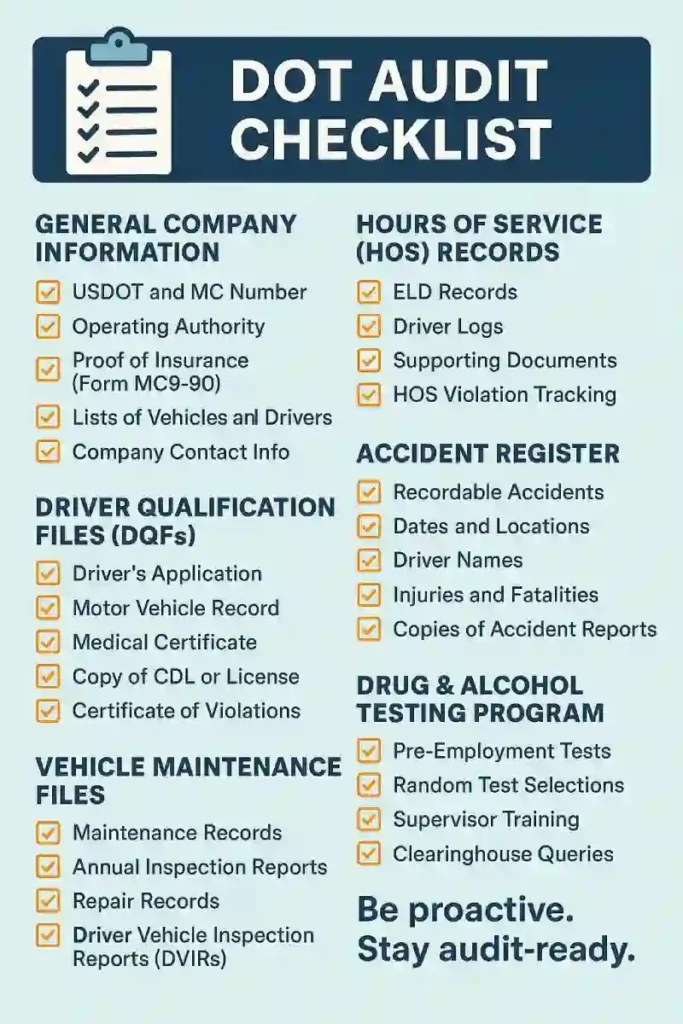
Practical Tips to Keep Your Carrier Fit
Here are actionable steps (many driven by dispatchers) to navigate the new safety scoring world:
- Check Your Score Regularly: Use FMCSA’s safety portal or free tools to monitor your carrier’s score. If your dispatcher does this, they will catch issues first. Even better, dispatchers can set calendar alerts for audits or send spreadsheets of recent inspections.
- Emphasize Thorough Inspections: Drivers should do complete pre-trip and post-trip checks. With the new DVIR category, missing even one defect can show up. Dispatchers can remind drivers to mark everything honestly. If you fix a defect, mark it as corrected in the DVIR, so the dispatcher can confirm it in records.
- Maintain Documentation: Always carry current authority, insurance, and logs. Dispatchers often keep digital backups. If a broker or safety audit asks, your dispatcher can e-mail scans instantly. Nothing undermines load access like an expired insurance certificate in a broker’s hand.
- Respond Quickly to Notices: If FMCSA or a state sends a notice, loop in your dispatcher. Many small fleets or owner-ops handle these slowly, but a dispatcher can help draft quick responses. For example, if you get an intervention letter, your dispatcher might gather data and proof of fixes before returning to FMCSA, showing you actively resolved issues.
- Communicate with Brokers: If scores are looking dicey (say a recent violation), have your dispatcher proactively reach out. They can pre-emptively explain how you resolved the issue (e.g., brake fixed, updated DVIR procedures). Showing that extra professionalism can sometimes save loads that would otherwise go to a carrier with a spotless but short track record.
- Use Specialty Dispatch Services: If you run specialized equipment, consider step deck dispatch service or flatbed dispatch service providers. They know these niches. For example, step deck loads often come from heavy equipment manufacturers or steel yards – dispatchers in that niche have relationships and know the paperwork. Their expertise is a form of dispatcher customization that directly gives you more and better loads for those trucks.

If you’re an owner-operator hauling specialized freight, don’t go it alone. Explore Dispatch Republic’s reefer truck dispatch services and power only dispatch services to access top-paying loads and compliance support. Check out our car hauling dispatch services and blog for more tips. Our dispatchers are experts in car hauling loads, flatbed loads, and reefer loads – we can match your truck to the best freight and handle the paperwork. Let us help you keep your rig loaded, safe, and legal.
For a deeper dive into the hotshot hauling business, read our Box Truck vs. Dry Van: Which Is Better for Your Business? and Step Deck vs. Flatbed: Which Is Right for Your Fleet?
Ready to make the most of your trucking business? 🚚💨 Reach out to Dispatch Republic and let our experts help maximize your earnings with tailored hotshot dispatch service and dry van dispatch service solutions. We’ll handle the logistics while you keep on truckin’. Contact our truck dispatch service to get started on the road to greater profits and less hassle!
For more detailed guides, check Dispatch Republic’s resources on dispatching and the trucking business. Recent FMCSA Rule Changes for Immigrant CDL Holders if you’re weighing career paths, and Hotshot Dispatch and Compliance: Key Regulations Every Dispatcher Should Know to understand the dispatch side of the business.
If you’re an owner-operator juggling multiple responsibilities, consider partnering with a professional truck dispatch service to take the load off your shoulders—literally. At Dispatch Republic, we specialize in helping carriers run smarter and earn more by expertly managing load boards, negotiating top rates, and handling paperwork for dry vans dispatch service, reefers dispatch service, flatbeds dispatch service, box trucks dispatch service, step decks dispatch service, hotshots dispatch service and even car hauler dispatch services. Our team monitors multiple premium load boards around the clock, ensuring your truck stays loaded with the right freight, at the right rate, on the right lane. Whether you’re scaling up or just getting started, having a dedicated dispatch team in your corner means fewer empty miles, less stress, and more time to focus on driving and growing your business.
Frequently Asked Questions
What is “MC DOT compliance” and how does it relate to safety scores?
“MC DOT compliance” means meeting all the FMCSA and state paperwork requirements: proper USDOT and MC numbers, insurance filings, permits, and good standing with taxes and fees. A dispatcher helps manage these, ensuring no surprise gaps. Brokers often check this alongside your safety score. So if your MC DOT compliance is perfect, it takes some pressure off – at least a broker won’t drop you just for an insurance lapse. Dispatch help keeps these details current, which in turn supports load access even when safety percentiles are borderline.
What is a “load board dispatcher” and why is it important now?
A load board dispatcher is someone who actively manages your load boards. With new safety scores, not every available load is worth pursuing – some brokers filter by safety rating. A good load board dispatcher sorts through postings and focuses on loads you can actually secure (with your current safety standing). They use strategies like multiple board memberships, targeted alerts for your truck types, and timing cues. This saves time and finds more hits. Post-2026, this role is crucial: you need someone who knows which loads still accept carriers with higher percentiles, and how to pivot when your score changes.
How can dispatchers customize their service for step deck and flatbed operations?
Dispatchers can specialize in different equipment. A step deck dispatch service knows to plan around load height restrictions and seasonal permits. A flatbed dispatch service is fluent in binding loads and handling multiple pickup points for building materials. This dispatcher customization ensures compliance issues (like needing a pilot car or special tarping) are handled upfront. In practice, it means fewer headaches for drivers and better track records. When dispatchers know your gear, they prevent missteps (like forgetting a needed permit) that could hurt your safety score.
What happens if my FMCSA safety score suddenly spikes?
First, your dispatcher should double-check: was it a recent inspection or a data error? If real, they’ll identify the violation and correct it fast (like fixing a defect). Meanwhile, dispatchers might shift loads: maybe avoid broker-heavy lanes and pick up short-haul or non-broker loads that don’t require strict vetting. They’ll also contact brokers to explain and provide evidence of resolution. The quicker you show you’ve addressed the issue, the faster you may regain normal load access. Dispatch help in these moments is invaluable – you need someone running interference so the business side can keep moving.
How do the new 2026 score categories change what dispatchers should watch for?
The big change is the split Vehicle Maintenance category. Now, issues caught by drivers (like worn wipers or a missing strap noted on the DVIR) go into Vehicle Maintenance: Driver Observed. Other issues (like cracked frames spotted by inspectors) go in Vehicle Maintenance. Dispatchers know this matters: a slip in reporting a minor issue on a DVIR is no longer hidden under a general maintenance lump. They will emphasize detailed reports. Also, the collapse of violations into major groups means every inspection is simpler to track. Dispatchers will highlight any single serious violation (like an OOS), because it will count very heavily. Overall, dispatchers must treat even small defects and misdemeanors more carefully, knowing each is now weighted differently.
Why is OOS (Out-of-Service) so critical under the new rules?
OOS violations now carry double weight in the scoring system. In real terms: one OOS violation (like no brakes or a disqualified driver) will impact your score as much as two regular ones. Dispatchers understand this and coach drivers to avoid OOS situations at all costs. If a truck is taken out of service for any reason, dispatchers jump in with the fix plan and documentation to minimize the time lost. By preventing or quickly resolving OOS stops, you avoid the heavy hit on your new safety score.
Can Dispatch Republic help with these changes?
Absolutely. At Dispatch Republic, we specialize in keeping carriers compliant in every way – from full MC DOT compliance management to personalized flatbed dispatch service and step deck dispatch service solutions. We monitor new FMCSA guidelines and adjust our dispatcher customization practices accordingly. In short, we handle the hassle so you can focus on driving. If safety scores and load access are concerns, our dispatcher help can make the difference in 2026.
Ready to Take Your Trucking Career to the Next Level?
Whether you’re an owner-operator, a company driver, or a carrier company in need of truck dispatch services, Dispatch Republic is here to help. Our team of experienced truck dispatchers offers affordable, professional truck dispatch solutions designed to save you time, increase your earnings, and make your business more efficient.
Thinking about outsourcing your truck dispatching? Contact Dispatch Republic today and move smarter, not harder.
Found our Blog useful? Spread the word:
Check our latest posts:

Contact us today to see how our team can support your trucking business.