
Table of contents
- Why the Strait of Hormuz is a trucking issue
- From crude to the pump: Iran conflict and diesel prices in cents-per-mile
- Domestic freight costs: how rates respond to a fuel shock and where carriers gain leverage
- Dispatch Republic playbook for Hormuz-driven volatility
- Capacity tightening that can amplify a fuel shock
- Practical playbook and scenarios for the week ahead
- Frequently Asked Questions
Most trucking problems are local: weather, docks, traffic, breakdowns, and bad appointments. A Strait of Hormuz crisis is global, but it reaches your truck through one thing you buy every week: diesel.
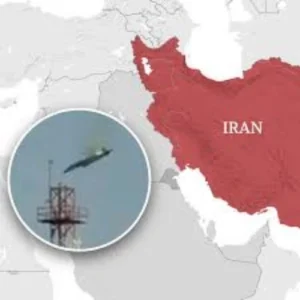
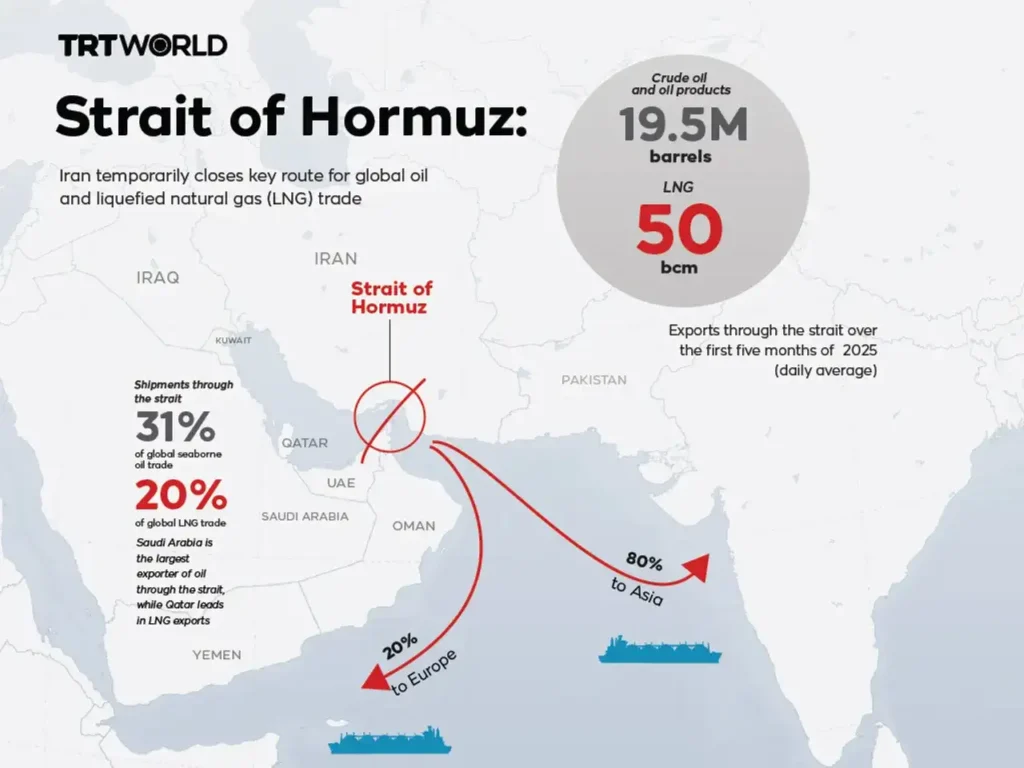
In early March 2026, shipping through the Strait of Hormuz “ground to a near halt,” according to Reuters reporting that cited shipping data and industry sources, while tanker and LNG shipping rates jumped to extreme levels. If ships can’t move, oil can’t move, and markets price risk immediately.
For truckers, the chain reaction is simple: the USA Iran conflict can raise crude, crude raises wholesale diesel, and then the Iran conflict and diesel prices shows up at the pump. Reuters quoted a rule-of-thumb that a $5 per barrel move in crude should translate to about 12 cents per gallon for gasoline and diesel, and noted that wholesale prices can jump even faster during the first 48 hours. This timing gap is the impact of oil price on trucking: your fuel bill rises now, but your rate resets often lag.
In a USA iran war risk window, your job is not to predict politics. Your job is to price risk correctly and protect your week. In a USA iran war risk window, the Iran conflict and diesel prices can move between weekly benchmarks, and the impact of oil price on trucking becomes a daily decision, not a monthly review.
This report is written from the perspective of Dispatch Republic. We will explain why this chokepoint matters, how to translate the USA Iran conflict into cents-per-mile, and what smart dispatchers and small fleets do to keep profits positive when the USA iran war risk drives the Iran conflict and diesel prices upward.
We’ll also cover a second force that can stack with fuel shocks: non-domiciled CDL enforcement in 2025–2026. When licensing and screening tighten capacity while fuel spikes, the USA Iran conflict can trigger stronger freight repricing than you would expect from fuel alone.
Many carriers find that having a professional power-only truck dispatch team reduces administrative load for drivers, making operations smoother than handling all logistics in-house; this is often part of broader logistics dispatch services.
Why the Strait of Hormuz is a trucking issue
You do not need to memorize foreign policy to manage fuel risk. You only need to understand why Hormuz is a global bottleneck and why the USA Iran conflict makes bottlenecks expensive.
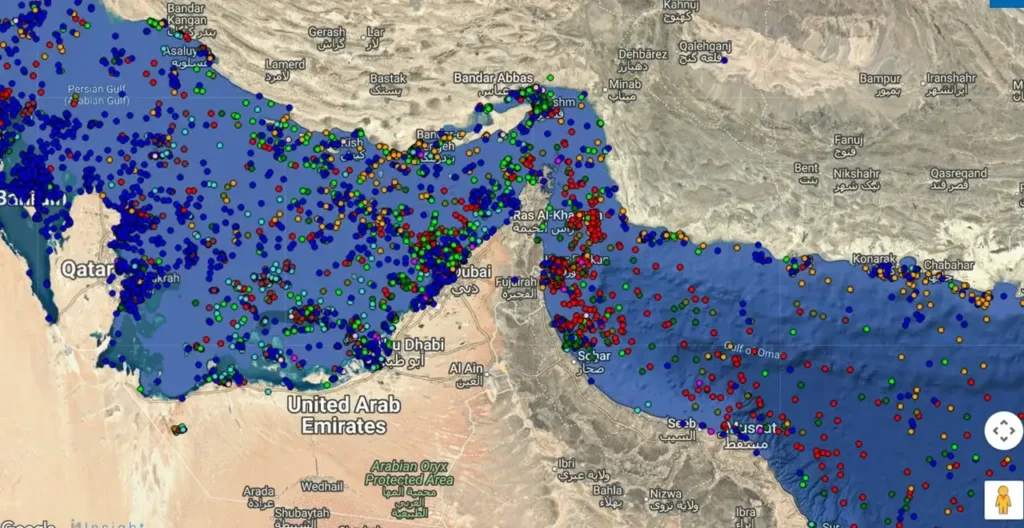
The U.S. Energy Information Administration reported that in 2024, oil flow through Hormuz averaged 20 million barrels per day, which is about 20% of global petroleum liquids consumption. That’s a huge share of the world’s daily energy movement through one narrow passage. Iran is a key regional player in Gulf energy and shipping, so threats tied to the USA Iran conflict can move crude risk premiums quickly.
The 2025 baseline is also important. The International Energy Agency noted that, absent a major disruption, oil markets in 2025 looked well supplied. In other words, the system can look “stable” until a disruption hits a chokepoint like Hormuz. That is why the USA Iran conflict can move prices even when inventories still look okay on paper.
By March 2026, Reuters described shipping through Hormuz as grinding to a near halt and reported VLCC freight rates to Asia reaching an all-time high of about $423,736 per day. That is not just a shipping story; it is an oil price story, because delivered crude cost includes transportation risk.
Another Reuters report described Iraq cut oil production by nearly 1.5 million barrels per day because it could not export crude due to Hormuz disruption, and warned cuts could widen if tankers remain unable to pass. When producers cut output for logistics, traders don’t wait for data; they price the shortage risk. That risk premium becomes the Iran conflict and diesel prices in your dispatch week.
In a USA iran war scenario, market fear can last longer than the news cycle. In a USA iran war scenario, the USA Iran conflict also raises insurance and freight costs for ships, and that can keep energy prices elevated even if fighting pauses. This is why the impact of oil price on trucking is not a one-day event; it can be a multi-week squeeze.
Dispatch reality: you can’t control Hormuz, but you can control how fast you update your minimum rate and how picky you are about bad freight. In a USA Iran conflict week, refusing cheap freight is not stubbornness; it is survival because the Iran conflict and diesel prices has raised your cost-per-mile.
From crude to the pump: Iran conflict and diesel prices in cents-per-mile
Fuel talk becomes useful when it becomes math. The impact of oil price on trucking is not “diesel is up.” It is “diesel is up by X cents, and my break-even moves by Y cents per mile.”
EIA’s weekly retail updates showed the U.S. average on-highway diesel moving from $3.711 (Feb 16, 2026) to $3.809 (Feb 23, 2026) to $3.897 (Mar 2, 2026). That is almost 19 cents in two weekly steps. If the USA Iran conflict stays hot, the Iran conflict and diesel prices can move again before your next contract reset.
Here is the fastest cost-per-mile calculator any driver can use.
Fuel cost per mile = diesel price per gallon ÷ mpg
At 6.5 mpg, diesel at $3.80 is about 58.5 cents per mile. Diesel at $4.20 is about 64.6 cents per mile. The difference—6.1 cents—is the impact of oil price on trucking on every mile, loaded or empty.
Now translate that into weekly dollars.
Weekly gallons ≈ miles ÷ mpg
If you run 2,500 miles at 6.5 mpg, you burn about 385 gallons. A 50-cent rise in the Iran conflict and diesel prices costs about $192 that week. A $1.00 rise costs about $385. A two-truck fleet feels that twice. In a USA iran war risk window, this is why cash flow can unravel fast.
Now translate it into a counteroffer target.
Rate increase needed ≈ (gallons burned × diesel price change) ÷ paid miles
In the example above, a 50-cent change is roughly +8 cents per mile needed just to stay even. Use that number in negotiation. It is not “asking for more.” It is matching the impact of oil price on trucking so your business remains viable.
Reuters quoted that crude moves first and fuel follows gradually, and also gave a simple conversion: about 12 cents per gallon for a $5 crude move, with wholesale jumps sometimes larger. This is why, during the USA Iran conflict, you should treat the Iran conflict and diesel prices as a “daily variable” and update minimums daily if volatility is high. In a USA iran war surge, weekly thinking can be too slow.
A quick dispatch rule that protects you: when the USA iran war risk spikes, avoid locking in long-haul spot freight unless you have a margin buffer. Long-haul spot freight has the largest exposure to the Iran conflict and diesel prices because you can’t reprice mid-trip.
Domestic freight costs: how rates respond to a fuel shock and where carriers gain leverage
Fuel spikes don’t automatically raise freight rates. They create pressure, and pressure changes behavior. That behavior is what can push prices up.
Here is what we see on the dispatch side when the USA Iran conflict drives a fuel spike.
First, cheap freight stops moving. Carriers refuse low-rate loads because the impact of oil price on trucking lifted their cost floor. That refusal reduces capacity in the spot market.
Second, brokers scramble for coverage and begin accepting counters again. In a USA iran war risk window, brokers don’t want tender failures, so they pay more on tight lanes.
Third, shippers feel the change and begin accepting surcharges or higher contract bids, but contract changes come slower than spot changes.
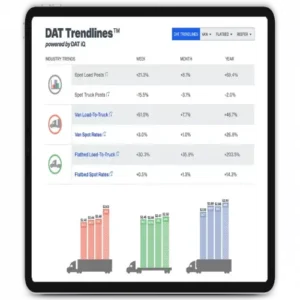
We saw how spot pricing can rise even when volumes aren’t booming. DAT Freight & Analytics reported that in January 2026, volumes declined after the holiday season, yet spot market rates rose: van $2.32 per mile, reefer $2.81, flatbed $2.85, and year-over-year spot rates were higher as well. That pattern matters because it proves the market can reprice on risk, capacity, and service pressure—not just volume.
A quick reminder about the human side of this calculation: the U.S. Bureau of Labor Statistics reports a median annual wage of $57,440 for heavy and tractor-trailer truck drivers (May 2024 data), and projects about 237,600 openings per year on average over the coming decade, largely from replacement needs. Those numbers matter because turnover and replacement pressure limit how quickly capacity can “snap back” when costs rise. In a USA iran war risk window, that makes the impact of oil price on trucking more likely to stick around for weeks rather than days.
Now stack the USA Iran conflict onto that environment. If the Iran conflict and diesel prices rises again while capacity is fragile, spot rate jumps can be faster, especially in reefer and flatbed where timing is tighter. In a USA iran war escalation, this can look like a sudden seller’s market in certain regions.
Spot market rates and the fuel included trap
If you live on spot market rates, you are the first to feel the fuel shock and the last to get protection. Unless you demand it.
A practical counter script: because of the USA Iran conflict and the Iran conflict and diesel prices moving up, my cost is up. The impact of oil price on trucking is +X cents per mile for me. I need that covered, either in the all-in rate or as a fuel surcharge line.
If the broker replies fuel included, ask: what is the diesel baseline and how does it adjust? If there is no adjustment, then fuel included means carrier eats volatility, and that is a losing deal in a USA iran war risk window.
Fuel surcharge mechanics you must verify
A fuel surcharge is a structure meant to float with fuel, not a favor.
The problem is that many fuel surcharge arrangements lag. If the surcharge updates weekly based on a benchmark, you can be protected. If it updates monthly—or is embedded as a flat number—you can lose money for weeks during a USA Iran conflict spike.
Your dispatch action is simple: ask for the baseline, reset schedule, and whether the fuel surcharge applies to loaded miles only. If the answer is unclear, treat the load as spot and price in a buffer that covers the impact of oil price on trucking.
Detention and layover: the hidden fuel multiplier
When the Iran conflict and diesel prices rises, time becomes more expensive. Detention burns fuel, idling increases, and your HOS clock gets wrecked.
In a USA Iran conflict week, detention is not optional. If a receiver is known for long unloads and refuses detention, that freight is risky because the impact of oil price on trucking turns waiting into a direct cost. In a USA iran war risk window, insist on written detention terms or price higher, because unpaid time is now a fuel bill in disguise.
Dispatch Republic playbook for Hormuz-driven volatility
A truck dispatch service earns its fee during chaos, not during easy weeks. In a USA Iran conflict period, our goal is simple: keep the truck profitable, legal, and safe while the Iran conflict and diesel prices is moving.
For example, the challenge with box truck operations is not just finding freight, but organizing it to minimize downtime. Over time, efficient dispatching for box truck loads and proper box truck load management tend to become part of a more sustainable workflow.
Re-booking loads fast
When networks are stressed, cancellations and reschedules happen more often. If a load falls apart, you can lose the next day.
Our dispatch process keeps backup options ready. We re-book quickly so the truck doesn’t sit, because sitting burns time and can burn fuel (idling) without revenue. When the impact of oil price on trucking rises, empty time is more expensive than ever.
Adjusting routes and avoiding unnecessary deadhead
When diesel is high, deadhead is a profit killer. We plan lanes to deliver into reload markets and to reduce empty reposition miles.
In a USA iran war risk window, we are stricter about pretty rates that deliver into dead markets. A great linehaul number doesn’t matter if you burn expensive fuel to escape a freight desert. That is the impact of oil price on trucking showing up as deadhead.
Handling communications and check calls
During major headlines, brokers request more updates. Shippers get nervous. Receivers reschedule.
Drivers should not be working the phone while driving or trying to sleep. We handle communications so drivers can operate safely. This also protects claims: the paper trail is what allows you to collect detention and layover pay when the Iran conflict and diesel prices makes time loss more costly.
Paperwork and compliance during delays
When costs rise, disputes rise. Clean paperwork becomes a competitive edge.
We standardize POD capture, lumper receipts, and timestamp documentation. That helps cash flow and strengthens your position with brokers. In a USA Iran conflict environment, strong paperwork also protects you if a broker questions accessorials while your fuel cost is rising.
Safe parking and stoppage decisions
A fuel shock tempts drivers to push. In reality, safe decisions protect profit.
We help plan safe parking and advise stoppage when weather or fatigue makes travel risky. Safety is part of the impact of oil price on trucking because one crash or violation can destroy the business faster than any fuel spike. In a USA iran war risk window, your clean record is a form of leverage.
Capacity tightening that can amplify a fuel shock
Fuel shocks are bad enough. But if fuel shocks stack with capacity reductions, pricing can move faster. That is exactly what non-domiciled CDL enforcement can do in 2025–2026.
FMCSA 2026 Final Rule: states may have to pause issuance
The Federal Motor Carrier Safety Administration states in its FAQ guidance that states not able to comply with the Final Rule by March 16, 2026 must immediately pause issuing non-domiciled CLPs or CDLs until they can comply, including transfers. That is a direct constraint on the driver pipeline in any non-compliant state.
In September 2025, FMCSA announced emergency action to restrict non-domiciled CDLs and described a nationwide audit and enforcement response directed at California. Later, FMCSA explained that a court stay prevented the interim rule from taking effect until further notice—yet corrective action plans and state-specific pauses could still apply.
For dispatchers, the inference is clear: if the driver pool shrinks or becomes harder to renew, capacity tightens. When capacity tightens, the USA Iran conflict fuel shock has a bigger freight-rate impact because carriers can also demand higher pay due to scarcity.
California cancellations: 17,000 now, and a larger compliance story behind it
California has publicly extended the cancellation date for approximately 17,000 nondomiciled CDLs. California’s DMV announced it extended the anticipated cancellation date by 60 days while working with FMCSA prior to March 6, 2026. Its FAQ describes that some cancellation dates were extended to March 6, 2026, with special rules for certain drivers domiciled in Mexico or Canada.
FMCSA’s 2025 Annual Program Review letter said California had more than 62,000 drivers holding an unexpired non-domiciled CLP or CDL as of June 1, 2025, and that about 26% of sampled records failed compliance requirements.
The U.S. Department of Transportation issued a January 2026 final determination describing corrective actions centered on rescinding approximately 17,000 noncompliant non-domiciled credentials and described withholding consequences tied to noncompliance.
Why this belongs in a Hormuz fuel article: capacity and fuel stack. If a USA Iran conflict lifts the Iran conflict and diesel prices and capacity tightens due to licensing and screening, freight rate power can shift quickly. For carriers without exposure, that can mean higher rates. For carriers with exposure, it can mean fewer brokers and higher insurance scrutiny during the worst possible moment.
Brokers and insurers are already reacting
FreightWaves reported that Highway introduced an optional feature enabling brokers to screen out carriers based on whether their primary account owner holds a non-domiciled CDL, and described it in the context of liability and regulatory scrutiny. That can reduce a carrier’s access to loads even before a license is canceled.
The Acrisure wrote that underwriters may demand proof beyond a state-issued CDL and that fleets with exposure may face premium increases, restricted markets, or higher deductibles until compliance is clear.
As the hotshot market becomes more competitive, drivers shift from reacting to loads toward organizing them strategically. In this context, having a professional hotshot dispatch team or integrating formal hotshot freight dispatch processes becomes part of a consistent operating approach.
In a USA iran war risk window, losing broker access or facing insurance tightening can force you into cheaper freight precisely when the Iran conflict and diesel prices is higher. That is a double punch. It is also why compliance is now part of the impact of oil price on trucking: if you can’t access good paying loads, you can’t cover higher fuel.
Practical playbook and scenarios for the week ahead
This is the part you can use tomorrow morning. The goal is to turn the USA Iran conflict into a controlled pricing plan instead of a surprise.
Daily checklist during the USA Iran conflict
Start with three checks: diesel benchmark and your regional reality, your minimum rate for the day, and your reload plan.
EIA’s weekly diesel series shows diesel can move quickly and differs by region, which is why you must price for where you buy. In a USA iran war risk window, treat the Iran conflict and diesel prices as a daily variable and adjust spot bookings accordingly.
Then follow three simple rules. If the Iran conflict and diesel prices is rising, raise your minimum before you accept the next load. If the USA Iran conflict is driving uncertainty, prefer shorter spot loads or contract freight with fast fuel surcharge resets. If the USA iran war risk expands, demand written detention and layover terms, because unpaid time becomes a fuel bill.
Scenario one: the long-haul spot trap
A solo owner-operator booked a 1,150-mile van load on Thursday at an all-in that looked good for winter. By Saturday, USA Iran conflict headlines pushed crude higher, and the Iran conflict and diesel prices rose at retail before the next weekly surcharge reset. The carrier ran the load but lost margin because the rate was fixed and there was no written fuel structure.
The dispatch lesson: in a USA iran war risk window, don’t book long-haul spot freight without an extra buffer. If you must, price it higher than normal to protect against a mid-week fuel jump. This is the impact of oil price on trucking: timing is risk.
Scenario two: the dock delay that becomes a fuel bill
A small reefer fleet delivered on time, but the receiver pushed unloading to the next morning. The truck idled for heat and reefer operation, burned extra fuel, and missed the reload window. The fleet tried to bill detention but had weak timestamp evidence, and the broker disputed it.
The dispatch fix is simple: written layover terms, clean timestamps, and fast claim filing. When the Iran conflict and diesel prices rises, every wasted hour is more expensive. Paperwork turns wasted time into recoverable money, which is essential when the impact of oil price on trucking is rising.
If the USA Iran conflict has you worried about fuel risk, don’t guess and don’t wait. Dispatch Republic helps owner-operators and small fleets protect profit during the impact of oil price on trucking spikes by re-booking loads quickly, adjusting routes to reduce deadhead, handling broker and shipper communications, and keeping paperwork tight so detention and layover claims don’t get lost.
A truck dispatch service is also a safety tool when the network is stressed. We advise on safe parking and stoppage when conditions are unsafe, update ETAs early, and protect your service record so you keep access to better freight. In a USA iran war risk window, being easy to work with and fully documented becomes part of your negotiating power—especially when brokers are cautious about compliance and liability and the impact of oil price on trucking hits every settlement.
If you want that system, a truck dispatch service can reduce costly mistakes while you focus on safe driving. When the USA Iran conflict and USA iran war headlines are moving markets, the impact of oil price on trucking becomes an operations problem, not just a fuel problem.
If you’re an owner-operator hauling specialized freight, don’t go it alone. Explore Dispatch Republic’s box truck dispatch services and car hauler dispatch services to access top-paying loads and compliance support. Check out our car hauling dispatch services and blog for more tips. Our dispatchers are experts in car hauling loads, flatbed loads, and reefer loads – we can match your truck to the best freight and handle the paperwork. Let us help you keep your rig loaded, safe, and legal.
For a deeper dive into the hotshot hauling business, read our Box Truck vs. Dry Van: Which Is Better for Your Business? and Step Deck vs. Flatbed: Which Is Right for Your Fleet?
Ready to make the most of your trucking business? 🚚💨 Reach out to Dispatch Republic and let our experts help maximize your earnings with tailored reefer dispatch service and dry van dispatch service solutions. We’ll handle the logistics while you keep on truckin’. Contact our truck dispatch service to get started on the road to greater profits and less hassle!
For more detailed guides, check Dispatch Republic’s resources on dispatching and the trucking business. Recent FMCSA Rule Changes for Immigrant CDL Holders if you’re weighing career paths, and Hotshot Dispatch and Compliance: Key Regulations Every Dispatcher Should Know to understand the dispatch side of the business.
If you’re an owner-operator juggling multiple responsibilities, consider partnering with a professional truck dispatch service to take the load off your shoulders—literally. At Dispatch Republic, we specialize in helping carriers run smarter and earn more by expertly managing load boards, negotiating top rates, and handling paperwork for dry vans, reefers, flatbeds, box trucks, step decks, and even hotshots. Our team monitors multiple premium load boards around the clock, ensuring your truck stays loaded with the right freight, at the right rate, on the right lane. Whether you’re scaling up or just getting started, having a dedicated dispatch team in your corner means fewer empty miles, less stress, and more time to focus on driving and growing your business.
Frequently Asked Questions
How does the USA Iran conflict raise trucking costs even if I don’t haul anything overseas?
The USA Iran conflict can raise global crude prices because oil is priced on global risk. When shipping through Hormuz grinds toward a halt and tanker costs surge, markets price in disruption fast. That global move can become the Iran conflict and diesel prices at U.S. pumps within days, which is why dispatchers treat it as an immediate cost-per-mile update.
If the USA iran war risk grows, how fast can diesel prices change in the U.S.?
Diesel can move quickly because crude moves first and wholesale fuel follows. Reuters quoted a rule-of-thumb that a $5 per barrel crude change can translate into about 12 cents per gallon for gasoline and diesel, and wholesalers can move even faster in the first 48 hours. In a USA iran war risk window, that means you may need to update minimum rates daily rather than weekly.
What’s the safest way to calculate the impact of oil price on trucking for my operation?
Use cents-per-mile math: diesel price ÷ your mpg. Then convert a fuel increase into weekly dollars (gallons burned × price change) and into a rate target (extra dollars ÷ paid miles). EIA’s weekly diesel series shows the kind of moves that can happen in a short window. This method makes the impact of oil price on trucking measurable and defensible in negotiations.
How do California nondomiciled CDL cancellations affect capacity and freight pricing?
California DMV announced it extended the cancellation date for about 17,000 nondomiciled CDLs while working with federal regulators. Capacity tightening in a major freight state can shift lane-level truck availability, which can raise rates in affected corridors. If a fuel shock happens at the same time, the Iran conflict and diesel prices and capacity shocks can stack and move rates faster.
Are insurers and brokers really avoiding carriers with non-domiciled CDL drivers?
Evidence suggests that screening and underwriting scrutiny increased in 2025–2026. FreightWaves reported that Highway introduced a feature allowing brokers to screen carriers based on whether the primary account owner holds a non-domiciled CDL. Acrisure wrote that underwriters may demand deeper proof of driver eligibility and that fleets with exposure may face premium increases or restricted markets until compliance is clear.
Ready to Take Your Trucking Career to the Next Level?
Whether you’re an owner-operator, a company driver, or a carrier company in need of truck dispatch services, Dispatch Republic is here to help. Our team of experienced truck dispatchers offers affordable, professional truck dispatch solutions designed to save you time, increase your earnings, and make your business more efficient.
Thinking about outsourcing your truck dispatching? Contact Dispatch Republic today and move smarter, not harder.
Found our Blog useful? Spread the word:
Check our latest posts:

Contact us today to see how our team can support your trucking business.